
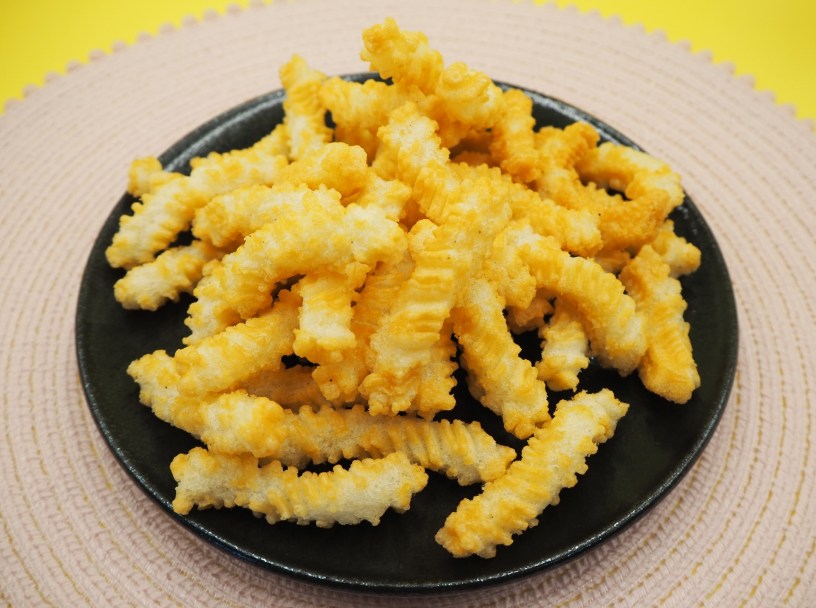
Japanese snacks are known for their creativity, variety, and delicious taste. While some of them have gained global recognition, many remain everyday favorites among people living in Japan. From school lunch treats to late-night cravings, these snacks are a regular part of life here. In this article, we introduce 10 classic Japanese snacks that are commonly enjoyed by locals.
1. Why These Snacks Are So Loved in Japan
Snacking in Japan isn’t just about satisfying hunger—it’s also about enjoying textures, unique flavor combinations, and fun packaging. Convenience stores and supermarkets carry a wide range of snacks that appeal to both children and adults. Many of these items have been on the shelves for years, making them nostalgic comfort foods for generations.
Whether it’s a savory crunch or a sweet bite, Japanese snacks often reflect the country’s attention to detail and passion for variety. The following selections are not necessarily the most famous worldwide, but they are staples in many Japanese homes.
2. 10 Recommended Japanese Snacks
1. Jagariko
A crunchy potato stick snack that comes in a cup-shaped container. It’s popular for its crispy texture and classic flavors like cheese and salad. Easy to carry and mess-free, Jagariko is a go-to snack for both kids and adults.
![[商品価格に関しましては、リンクが作成された時点と現時点で情報が変更されている場合がございます。]](https://hbb.afl.rakuten.co.jp/hgb/4728d604.1de96e85.4728d605.fede4ba1/?me_id=1384987&item_id=10000235&pc=https%3A%2F%2Fthumbnail.image.rakuten.co.jp%2F%400_mall%2Ff082104-shimotsuma%2Fcabinet%2Fproducts02%2F68-1w700.jpg%3F_ex%3D240x240&s=240x240&t=picttext "[商品価格に関しましては、リンクが作成された時点と現時点で情報が変更されている場合がございます。]")

2. Umaibo
This puffed corn stick has been a childhood favorite for decades. Each stick costs about 10 yen and comes in dozens of flavors, including takoyaki, cheese, and tonkotsu ramen. Affordable, fun, and nostalgic.
![[商品価格に関しましては、リンクが作成された時点と現時点で情報が変更されている場合がございます。]](https://hbb.afl.rakuten.co.jp/hgb/4728dbe4.b0c839fe.4728dbe5.725685da/?me_id=1307506&item_id=10130933&pc=https%3A%2F%2Fthumbnail.image.rakuten.co.jp%2F%400_mall%2Fbeisia%2Fcabinet%2Fsotobayashi%2F2172870001062n.jpg%3F_ex%3D240x240&s=240x240&t=picttext "[商品価格に関しましては、リンクが作成された時点と現時点で情報が変更されている場合がございます。]")
3. Pocky
Thin biscuit sticks coated with chocolate or other flavored coatings like strawberry and matcha. It’s a popular choice for sharing and a regular item in snack aisles across Japan.
![[商品価格に関しましては、リンクが作成された時点と現時点で情報が変更されている場合がございます。]](https://hbb.afl.rakuten.co.jp/hgb/4728de7c.421ddb5b.4728de7d.6b72bd24/?me_id=1209539&item_id=10007764&pc=https%3A%2F%2Fthumbnail.image.rakuten.co.jp%2F%400_mall%2Fh-momo%2Fcabinet%2F08805283%2F08822429%2Fimgrc0102235928.jpg%3F_ex%3D240x240&s=240x240&t=picttext "[商品価格に関しましては、リンクが作成された時点と現時点で情報が変更されている場合がございます。]")
4. Kaki no Tane
A mix of spicy rice crackers and peanuts, often enjoyed as a beer snack. The rice crackers are shaped like persimmon seeds, which is where the snack gets its name.
![[商品価格に関しましては、リンクが作成された時点と現時点で情報が変更されている場合がございます。]](https://hbb.afl.rakuten.co.jp/hgb/4728e020.fbae780a.4728e021.2a48511e/?me_id=1409437&item_id=10000482&pc=https%3A%2F%2Fthumbnail.image.rakuten.co.jp%2F%400_mall%2Fnatani%2Fcabinet%2Fcompass1729571716.jpg%3F_ex%3D240x240&s=240x240&t=picttext "[商品価格に関しましては、リンクが作成された時点と現時点で情報が変更されている場合がございます。]")
5. Baby Star Ramen
Crunchy dried noodles flavored like instant ramen. This snack is fun to eat straight from the bag and is often found in children’s lunch boxes or convenience stores.
![[商品価格に関しましては、リンクが作成された時点と現時点で情報が変更されている場合がございます。]](https://hbb.afl.rakuten.co.jp/hgb/4728ddc6.1b765261.4728ddc7.6aacb281/?me_id=1344295&item_id=10002381&pc=https%3A%2F%2Fthumbnail.image.rakuten.co.jp%2F%400_mall%2Fokagesama-market%2Fcabinet%2F06206077%2F06232411%2F7620218_01.jpg%3F_ex%3D240x240&s=240x240&t=picttext "[商品価格に関しましては、リンクが作成された時点と現時点で情報が変更されている場合がございます。]")
6. Black Thunder
A chocolate bar with a crunchy cookie and rice puff interior. Its bold flavor and catchy name have made it a favorite among young people, especially students looking for a quick sweet fix.
![[商品価格に関しましては、リンクが作成された時点と現時点で情報が変更されている場合がございます。]](https://hbb.afl.rakuten.co.jp/hgb/4728e1a0.7f378a43.4728e1a1.092a4835/?me_id=1395320&item_id=10001495&pc=https%3A%2F%2Fthumbnail.image.rakuten.co.jp%2F%400_mall%2Fanythingshop-roi%2Fcabinet%2F1005-1140.jpg%3F_ex%3D240x240&s=240x240&t=picttext "[商品価格に関しましては、リンクが作成された時点と現時点で情報が変更されている場合がございます。]")
7. Pretz
Pretz is a biscuit stick similar to Pocky but without the sweet coating. Flavors like salad, tomato, and roast are popular. It’s a light, savory snack perfect for travel or work breaks.
![[商品価格に関しましては、リンクが作成された時点と現時点で情報が変更されている場合がございます。]](https://hbb.afl.rakuten.co.jp/hgb/4728e229.0af4e1fc.4728e22a.8ae5bd66/?me_id=1261122&item_id=11288043&pc=https%3A%2F%2Fthumbnail.image.rakuten.co.jp%2F%400_mall%2Frakuten24%2Fcabinet%2F640%2F4974062059640.jpg%3F_ex%3D240x240&s=240x240&t=picttext "[商品価格に関しましては、リンクが作成された時点と現時点で情報が変更されている場合がございます。]")
8. Karamucho
These chili-flavored potato snacks come in both chip and stick varieties. They’re spicy, but not overwhelmingly so, and have a rich, savory depth that keeps people coming back.
![[商品価格に関しましては、リンクが作成された時点と現時点で情報が変更されている場合がございます。]](https://hbb.afl.rakuten.co.jp/hgb/4728e2e8.f86ca79e.4728e2e9.fecd1344/?me_id=1294451&item_id=10536604&pc=https%3A%2F%2Fthumbnail.image.rakuten.co.jp%2F%400_mall%2Fmatsukiyo%2Fcabinet%2Fd0080%2F4901335134582_1.jpg%3F_ex%3D240x240&s=240x240&t=picttext "[商品価格に関しましては、リンクが作成された時点と現時点で情報が変更されている場合がございます。]")
9. Happy Turn
A sweet and salty rice cracker dusted with a sweet-and-salty powder known as “Happy Powder.” It’s got a gentle flavor that many people find strangely addictive.
![[商品価格に関しましては、リンクが作成された時点と現時点で情報が変更されている場合がございます。]](https://hbb.afl.rakuten.co.jp/hgb/4728e347.898dc4f8.4728e348.1843d326/?me_id=1422828&item_id=10004880&pc=https%3A%2F%2Fthumbnail.image.rakuten.co.jp%2F%400_mall%2Ffrikstore%2Fcabinet%2Fcostco4%2Fcostco5%2Fimgrc0167188570.jpg%3F_ex%3D240x240&s=240x240&t=picttext "[商品価格に関しましては、リンクが作成された時点と現時点で情報が変更されている場合がございます。]")
10. Ottotto
A fun snack shaped like sea creatures such as whales, crabs, and fish. Ottotto is light, airy, and lightly salted, making it a favorite among children and nostalgic adults alike.
![[商品価格に関しましては、リンクが作成された時点と現時点で情報が変更されている場合がございます。]](https://hbb.afl.rakuten.co.jp/hgb/4728e3bc.c102b73e.4728e3bd.b03349d7/?me_id=1260570&item_id=10008719&pc=https%3A%2F%2Fthumbnail.image.rakuten.co.jp%2F%400_mall%2Ffujiyaku%2Fcabinet%2Fitem10%2Fimgrc0082382255.jpg%3F_ex%3D240x240&s=240x240&t=picttext "[商品価格に関しましては、リンクが作成された時点と現時点で情報が変更されている場合がございます。]")
3. Where to Find These Snacks
Most of these snacks can be found at any convenience store, supermarket, or 100-yen shop in Japan. Some are even available internationally at Asian grocery stores or through online snack boxes. They’re often sold in both individual packs and larger family-size bags, making them easy to enjoy at home or on the go.
4. Final Thoughts
Japanese snacks offer more than just great taste—they’re a fun and delicious part of daily life in Japan. From nostalgic childhood favorites to quick bites on busy days, these snacks reflect the country’s culture of convenience, creativity, and seasonal fun.
If you’re living in Japan or planning to move here, exploring the snack aisle is a great way to discover small joys of daily life. It’s also a conversation starter—asking your Japanese friends about their favorite snacks can be a fun cultural exchange!
Whether you’re a long-term resident or just passing through, these 10 recommended snacks are a delicious introduction to what everyday life tastes like in Japan.
Note:Please note that this article was translated from Japanese.
We’ve done our best to ensure clarity, but we appreciate your understanding if anything feels slightly off in English.
 Life in Japan for Foreigners